
Nestled in the heart of the Bageshwar District, Kausani is a charming hill village that feels like a peaceful escape into nature. Surrounded by dense pine forests and breathtaking mountain landscapes, Kausani is famous for its mesmerizing 300-km-wide panoramic view of the Himalayas, including majestic peaks like Trisul, Nanda Devi, and Panchchuli Peaks.
Perched at an altitude of around 1,890 meters, the village overlooks the beautiful Someshwar Valley on one side and the historic Garur and Baijnath Katyuri valleys on the other. The cool mountain breeze, lush green surroundings, and peaceful atmosphere make Kausani a perfect destination for travelers seeking relaxation and natural beauty. So captivating is its landscape that Mahatma Gandhi lovingly referred to Kausani as the “Switzerland of India.”
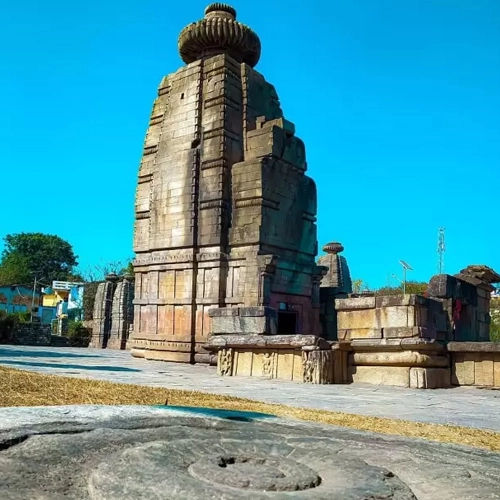
Built around the 8th century A.D. by the legendary Katyuri Kings of Kumaon, the Baijnath Group of Temples stands as a magnificent example of Indo-Aryan architecture. Nestled on the serene banks of the River Gomti, the temple complex is renowned for its intricate stone carvings and spiritual charm.
The main shrine houses a beautifully crafted idol of Goddess Parvati, reflecting the artistic brilliance of medieval India, where skilled artisans transformed stone into lifelike masterpieces. The peaceful surroundings and ancient architecture make Baijnath a must-visit destination for history lovers, pilgrims, and nature enthusiasts alike.
Adjacent to the temple complex, the ceremonial ghats along the Gomti River offer a unique sight — schools of the majestic Himalayan Mahaseer fish, known as one of the world’s largest freshwater carp. Visitors often enjoy feeding these giant fish, some of which can grow over a meter long and weigh more than 50 kilograms.
A short walk from the main complex leads to the beautifully constructed Satyanarayan Temple in Baijnath village, adding to the spiritual significance of the area.
Overlooking the picturesque Baijnath Valley is the famous Kot Mandir, a revered goddess temple situated atop a hill. It can be reached by a scenic 30-minute uphill trek or by road. Every year, the temple comes alive during the Nanda Ashtami fair, an important local festival celebrated with devotion and cultural festivities.
Baijnath is not just a temple destination — it is a journey into the rich heritage, spirituality, and natural beauty of Uttarakhand.
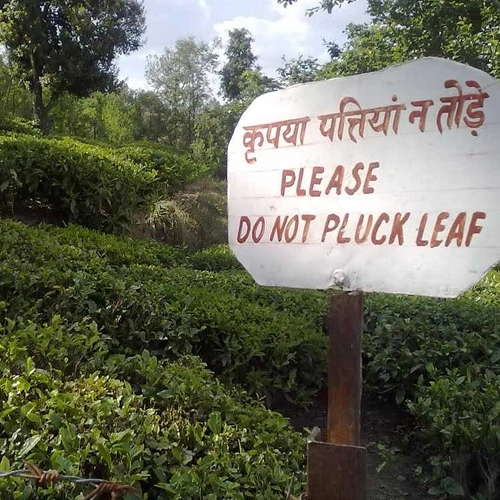
The picturesque tea gardens of Kausani trace their origins back to the early 1800s, when the British established some of the earliest tea plantations in India. To maintain the highest standards of tea cultivation, skilled Chinese managers were brought in to oversee the plantations, ensuring meticulous care of the gardens and perfection in tea plucking techniques. Interestingly, descendants of these Chinese families still reside in the region today, preserving a unique cultural connection to Kausani’s tea heritage.
Surrounded by the breathtaking beauty of the Himalayas, the tea estates of Kausani once flourished as an important center of tea production during the colonial era. In recent decades, these historic gardens have been revived and are now managed by the Uttarakhand Tea Board, helping preserve both the tradition and quality of Kumaoni tea.
Visitors can stroll through the lush green plantations, enjoy the refreshing mountain atmosphere, and witness the fascinating process of tea production. The government-run tea factory, open to tourists, offers an opportunity to learn about tea processing and purchase fresh locally produced tea as a memorable souvenir from the hills.
A visit to the Kausani Tea Gardens is not just about tea — it is an experience of history, culture, and the serene beauty of Uttarakhand.
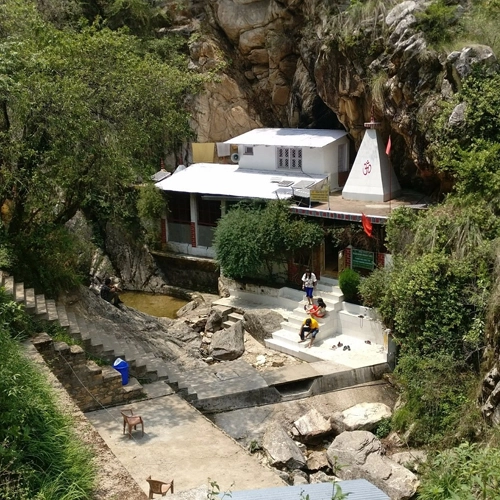
Nestled amidst the serene landscapes of Kausani, Rudradhari Falls is an enchanting natural attraction known for its breathtaking beauty, ancient caves, and peaceful surroundings. Cascading gracefully through rocky terrain, the waterfall forms a large natural pool at its base where several smaller streams merge together, creating a mesmerizing sight for visitors.
The lush green valley surrounding the falls adds to its magical charm, making it a perfect retreat for nature lovers, photographers, and adventure seekers. A scenic trek from the nearby Kantali Village leads visitors to this magnificent destination, offering an unforgettable journey through forests, village trails, and Himalayan landscapes.
Surrounded by dense pine forests, terraced paddy fields, and verdant hill farms, Rudradhari Falls is among the most popular places to visit in Kausani. The area also lies along the trekking route to the sacred Adi Kailash region, making it a favored stop for trekkers and spiritual travelers alike.
Far away from the noise and stress of city life, Rudradhari offers a refreshing escape into nature’s tranquility. The soothing sound of cascading water, cool mountain breeze, and untouched natural beauty make this hidden paradise an ideal place to relax, rejuvenate, and reconnect with nature.
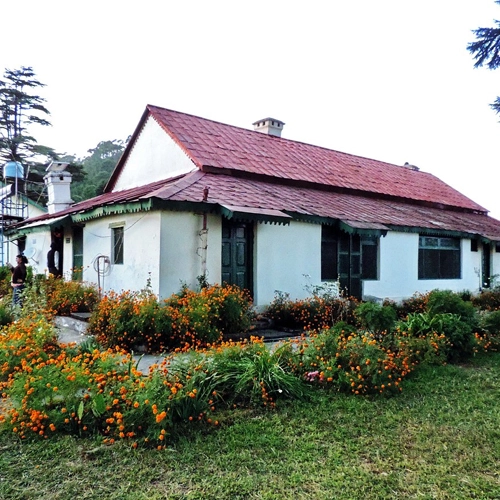
Perched gracefully on a ridge above Kausani, the serene Anasakti Ashram is renowned for offering some of the most spectacular panoramic views of the Himalayan mountains. This historic ashram holds immense significance as Mahatma Gandhi stayed here briefly during the summer of 1929 while traveling through the hills of the then United Provinces as part of India’s freedom movement.
During his stay at the ashram, Gandhiji worked on the introduction to his Gujarati translation of the sacred Hindu scripture, the Bhagavad Gita, which he titled Anasakti Yog. Today, the ashram preserves the memories of his visit through a collection of rare period photographs, historical records, and some of his personal belongings.
The calm and spiritual atmosphere of the ashram makes it an ideal place for meditation, reflection, and peaceful contemplation. Visitors are especially encouraged to visit during the evening hours to witness the soulful ceremonial ‘Aarti’ held in the prayer hall, creating a truly divine experience. Photography inside the premises, however, is not permitted.
Adjacent to the Anasakti Ashram is the Sarala Behn Memorial Museum, dedicated to the life and contributions of Sarala Behn, a devoted disciple of Mahatma Gandhi and a prominent social worker in Uttarakhand. The museum showcases a thoughtful collection of photographs and personal belongings that beautifully narrate her inspiring journey and service to society.
A visit to Anasakti Ashram is not only a journey through history but also an opportunity to experience peace, spirituality, and the timeless beauty of Kausani.
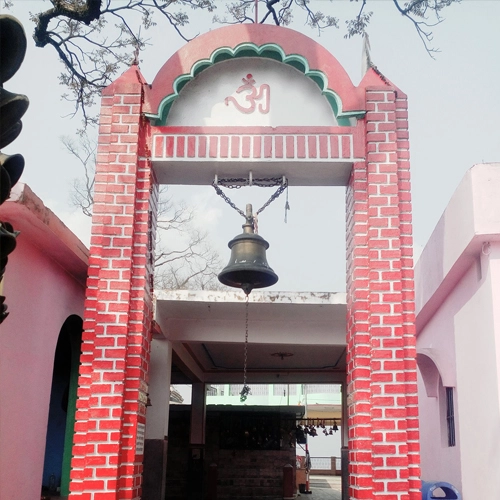
Located around 5 kilometers from Kausani, the revered Kot Bhramari Temple is a beautiful hilltop shrine dedicated to Goddess Bhramari, a powerful form of Goddess Durga. Surrounded by serene Himalayan landscapes and peaceful natural beauty, the temple is an important spiritual destination for devotees and travelers visiting the Kumaon region of Uttarakhand.
Steeped in mythology and religious significance, the temple is believed to have been visited by Adi Guru Shankaracharya during his spiritual journey across the Himalayas. This historical and spiritual connection adds to the sacred aura of the temple and attracts pilgrims seeking peace, blessings, and divine energy.
Perched amidst lush greenery and overlooking the scenic valleys of Kausani, the temple offers breathtaking panoramic views of the surrounding mountains and countryside. The tranquil atmosphere makes it an ideal place for meditation and spiritual reflection.
Kot Bhramari Temple becomes especially vibrant during the annual Nanda Ashtami Fair, one of the region’s most celebrated religious festivals. During this occasion, devotees from nearby villages and distant places gather here with great devotion to participate in traditional rituals, prayers, cultural celebrations, and fairs, bringing the entire area to life with spiritual fervor and local culture.
A visit to Kot Bhramari Temple beautifully combines spirituality, mythology, history, and the mesmerizing beauty of the Himalayas.
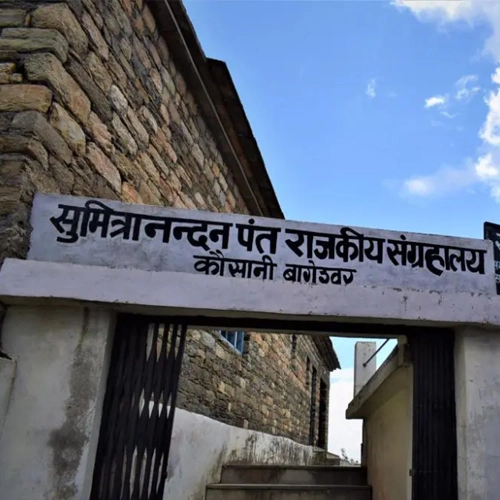
Kausani is proudly known as the birthplace of the renowned Hindi poet Sumitranandan Pant, one of the most celebrated literary figures in modern Hindi literature. Blessed by the mesmerizing beauty of the Himalayas, Pant drew much of his poetic inspiration from the serene landscapes, nature, and spiritual atmosphere of Kausani.
To honor his remarkable contribution to Indian literature, the Sumitranandan Pant Gallery was established in his memory. The gallery serves as a cultural and literary landmark, preserving the legacy of the great poet for future generations.
Inside the gallery, visitors can explore an impressive collection of hundreds of books in both Hindi and English, carefully displayed in glass cabinets. The museum also showcases photographs, manuscripts, personal belongings, and literary works associated with the poet, offering insight into his life, thoughts, and creative journey.
Every year, a special poetry symposium and cultural program are organized here to celebrate Sumitranandan Pant’s birth anniversary. Literary enthusiasts, poets, students, and visitors gather to pay tribute to the legendary poet through poetry recitations, discussions, and cultural events.
A visit to the Sumitranandan Pant Gallery offers not only a glimpse into the life of one of India’s greatest poets but also an opportunity to experience the literary soul and cultural heritage of Kausani.

